Choosing your first motorbike in 2025 is kind of like getting your first tattoo, exciting, a bit overwhelming, and something you’ll want to love when you look back in five years time.

There are more good options out there than ever, more bike styles, more tech, and more to think about before handing over your hard-earnt money. If you get this right, you’ll ride more, smile more, and spend less time regretting your decision. So let’s ride through what matters, which styles suit different riders, and what beginner bikes are worth your cash this year.
First off: what’s involved in choosing a first bike? It’s more than engine size and looks. Think about fit, ride height, weight, maintenance costs, running costs (fuel or charge), insurance, and how often you’ll actually ride. A bike that looks cool but is too tall, too heavy, or too thirsty on fuel will spend more time gathering dust in your garage than tearing up the tarmac.
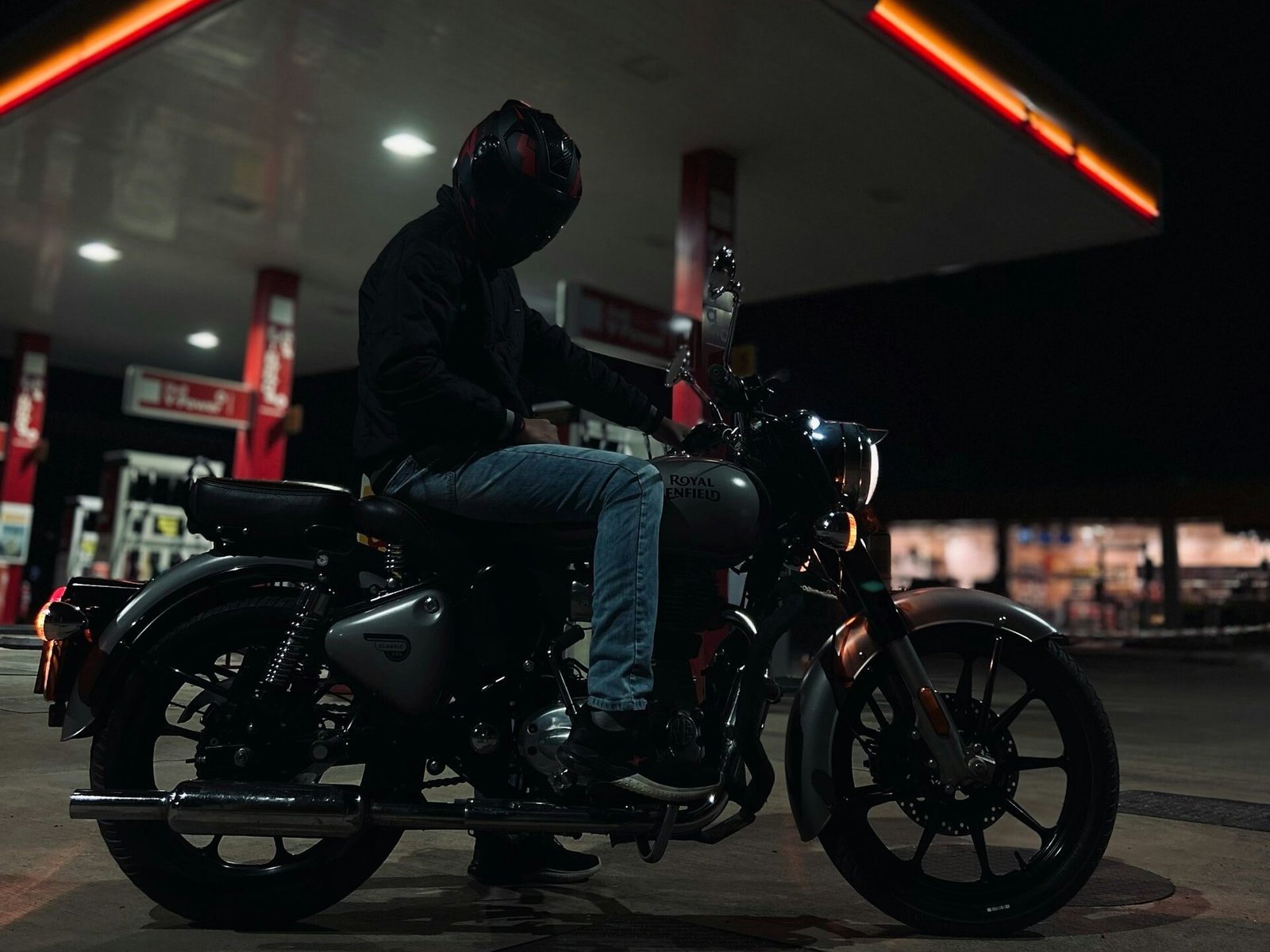
Then there are safety features like ABS (Anti-lock Braking System), traction control and even convenience features like good lighting, better quality brakes and increased comfort for long rides (like cruise control and more densely padded seats).
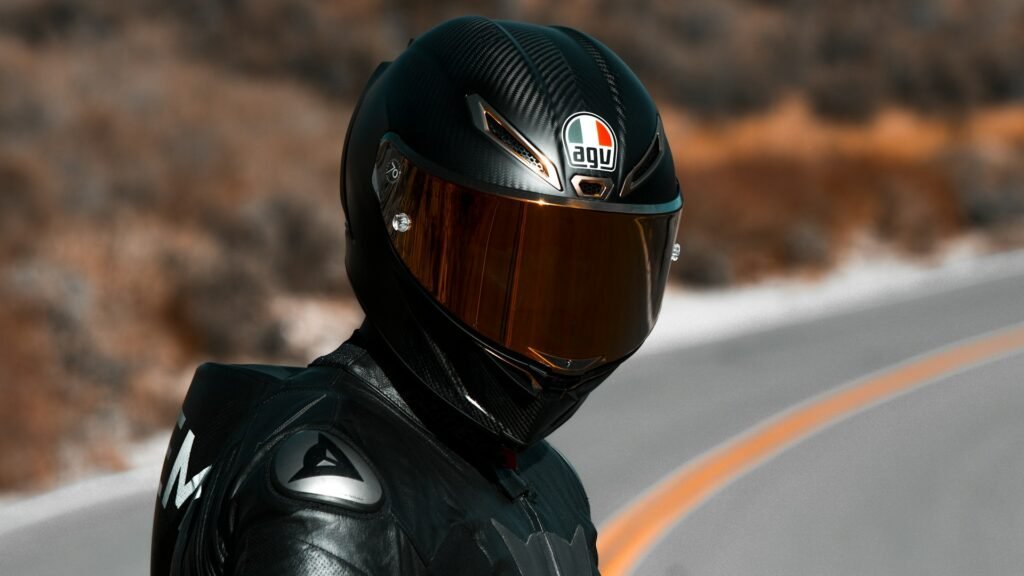
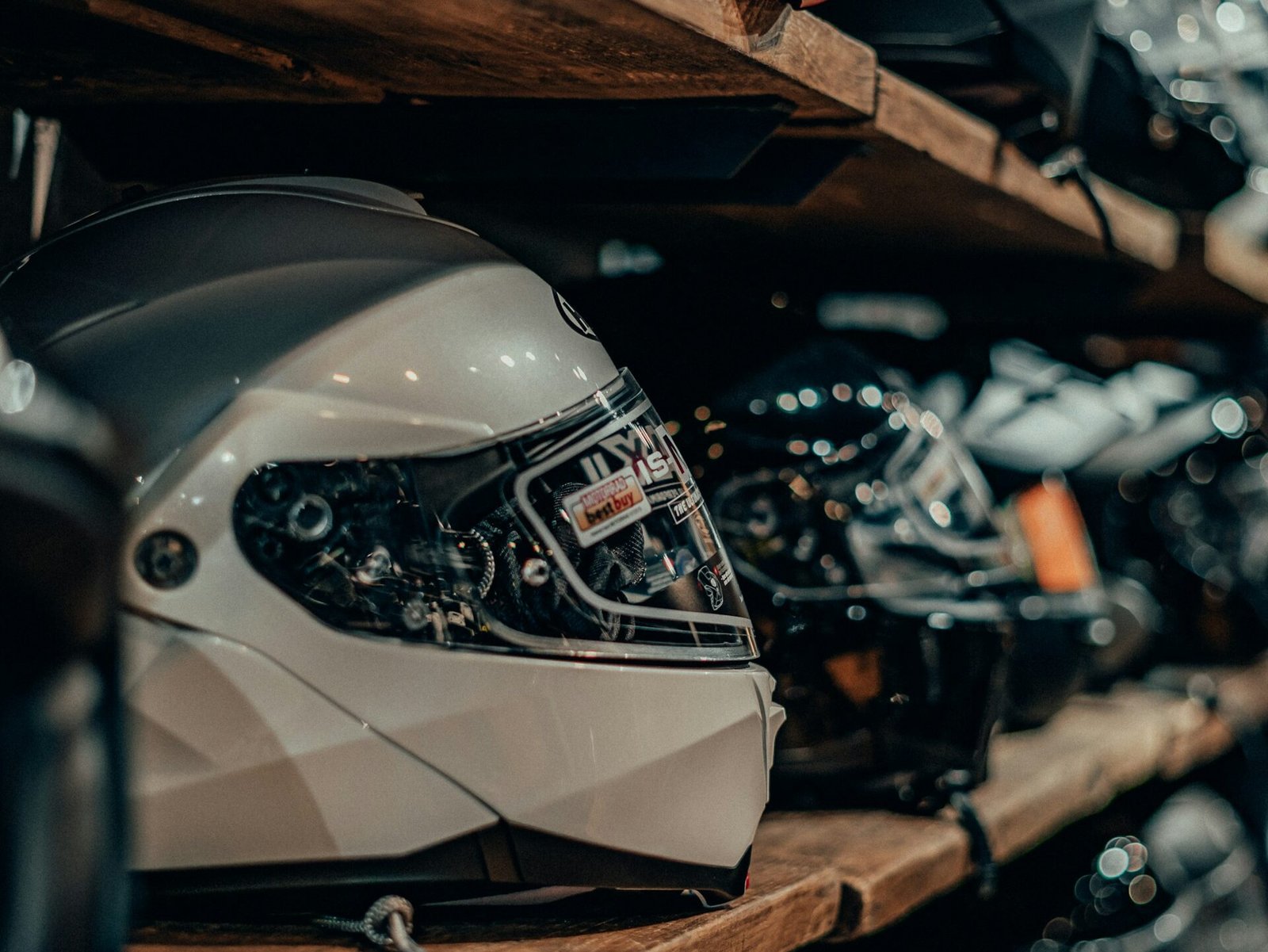
Don’t forget you’re also going to need to budget in some good riding gear: helmet, jacket, gloves, boots. Buying the best quality gear that you can afford, is the most important part of budgeting for your first bike. Pick gear you love wearing, is comfortable in all weather, matches your style and gives you the reassurance that if the worst does happen, then you stand a chance of walking away.
Next: lets find your style and what each gives you. The main ones beginner riders tend to choose are Naked, Adventure, Sport Tourer, Sport-light, Cruiser, Retro, and Scooter.
Lets go through the styles from the beginner – intermediate offerings (no CBR900RR Firebaldes Or Hayabusa’s ….. yet);
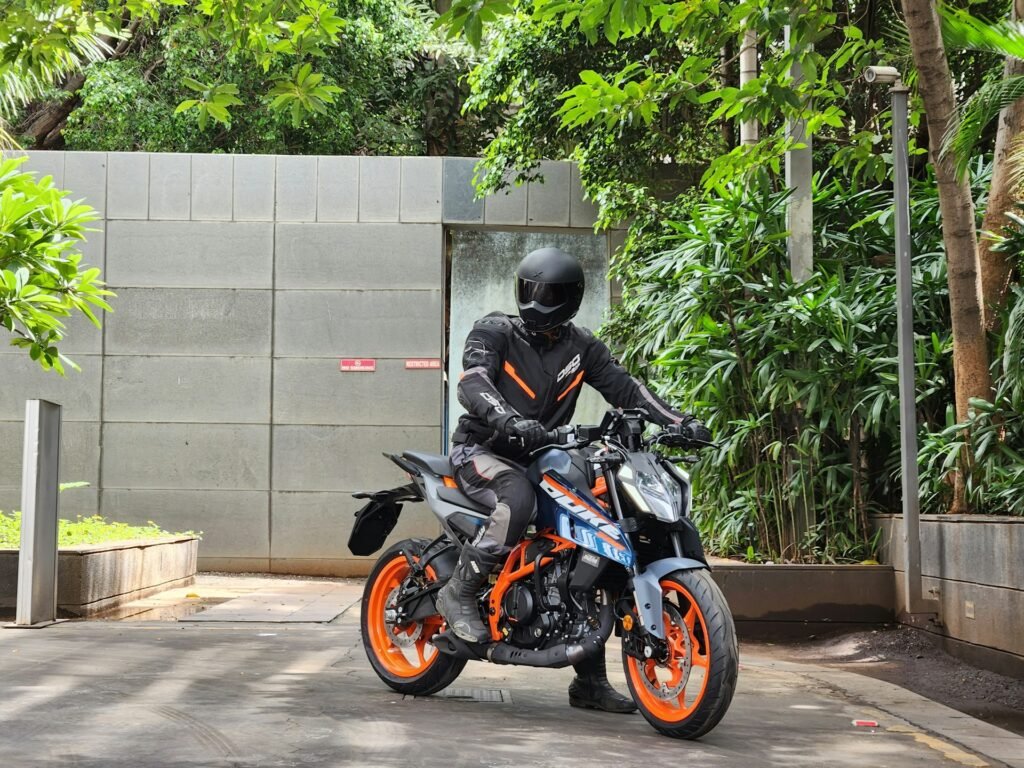
Naked bikes are great all-rounders: upright seating, no bulk, and enough performance for highway and twisties without freaking you out. They are normally narrow and perfect for daily commutes through traffic. They tend to have the best neutral riding position which means they are fairly comfortable even on longer rides, but will never be the perfect weapon for the track. They also tend to have a mid-low performance tune, so for learning to change gears and master the clutch, they’re perfect. The tune also gives a more linear torque curve that is very predictable and good to progress on without the fear of pulling a random wheelie. Popular options like the Honda CB500F, Yamaha MT-03 and KTM Duke 390 will all deliver big smiles without big drama. These bikes can do it all pretty well, especially around cities and weekend rides, but if you do spend more time on the highways, then consider a sports touring for that extra wind protection.
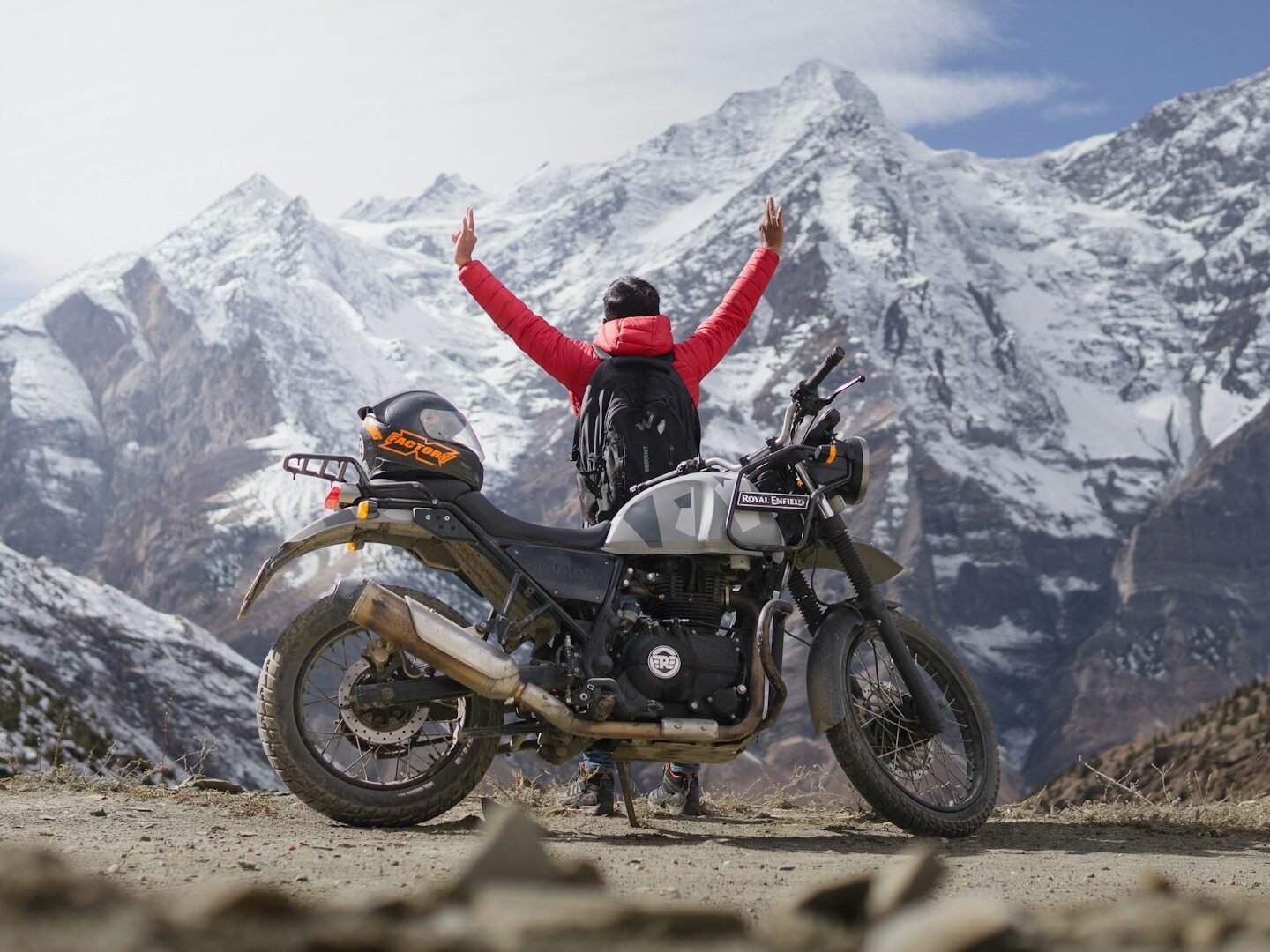
Adventure bikes are taller, with more ground clearance, rugged tyres, and often softer suspension; good if you plan to do gravel roads, light off-roading or carrying more cargo (don’t forget that will impact the bikes height). They are often loaded with tech to help compensate for the extra weight. The bikes will normally rev a little higher, which helps when you get offroad, though some will come with different power modes to choose from. The height and where the weight is placed impact the handling dramatically, so these bikes will never feel sporty on the road or be ideal for commuting. But, when you load them up for an adventure, it all makes sense. Taller bikes aren’t ideal for beginner riders, but there are a few new options like the KTM 390 Adventure or Royal Enfield Himalayan that have been created with with you in mind.
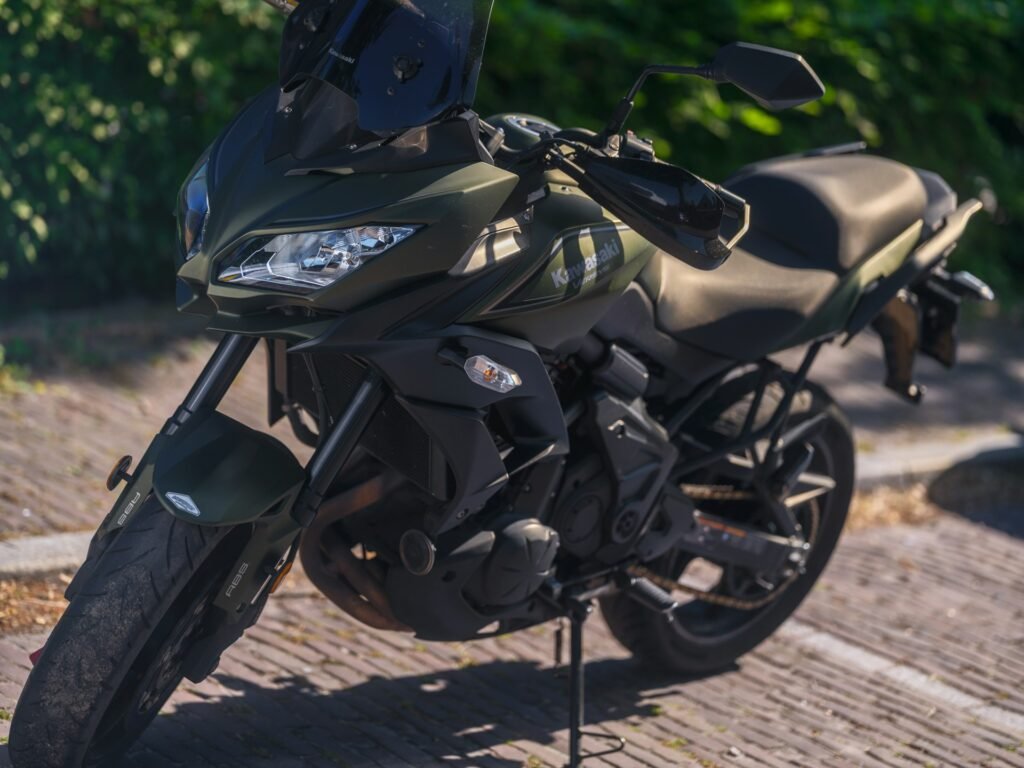
Sports Tourers are similar to adventure bikes but more orientated towards on-road use. Everything from the suspension to the tyres are all different and they usually have increased fairings and more creature comforts. These bikes look much sportier, but they deliver smooth power and very in-it’s-element once out of the city. At slow city pace these bikes can be a handful, especially for a beginner. They excel in highway travelling and carrying a passenger and/or cargo. Most will have heaps of accessories available to transform them into world travellers. Usually you’ll get a larger fuel tank, more road clearance and the best wind protection. If you can handle the extra weight and height, then bikes like a Kawasaki Versys 650 or Yamaha Tracer 7 will get you there in relaxed comfort.
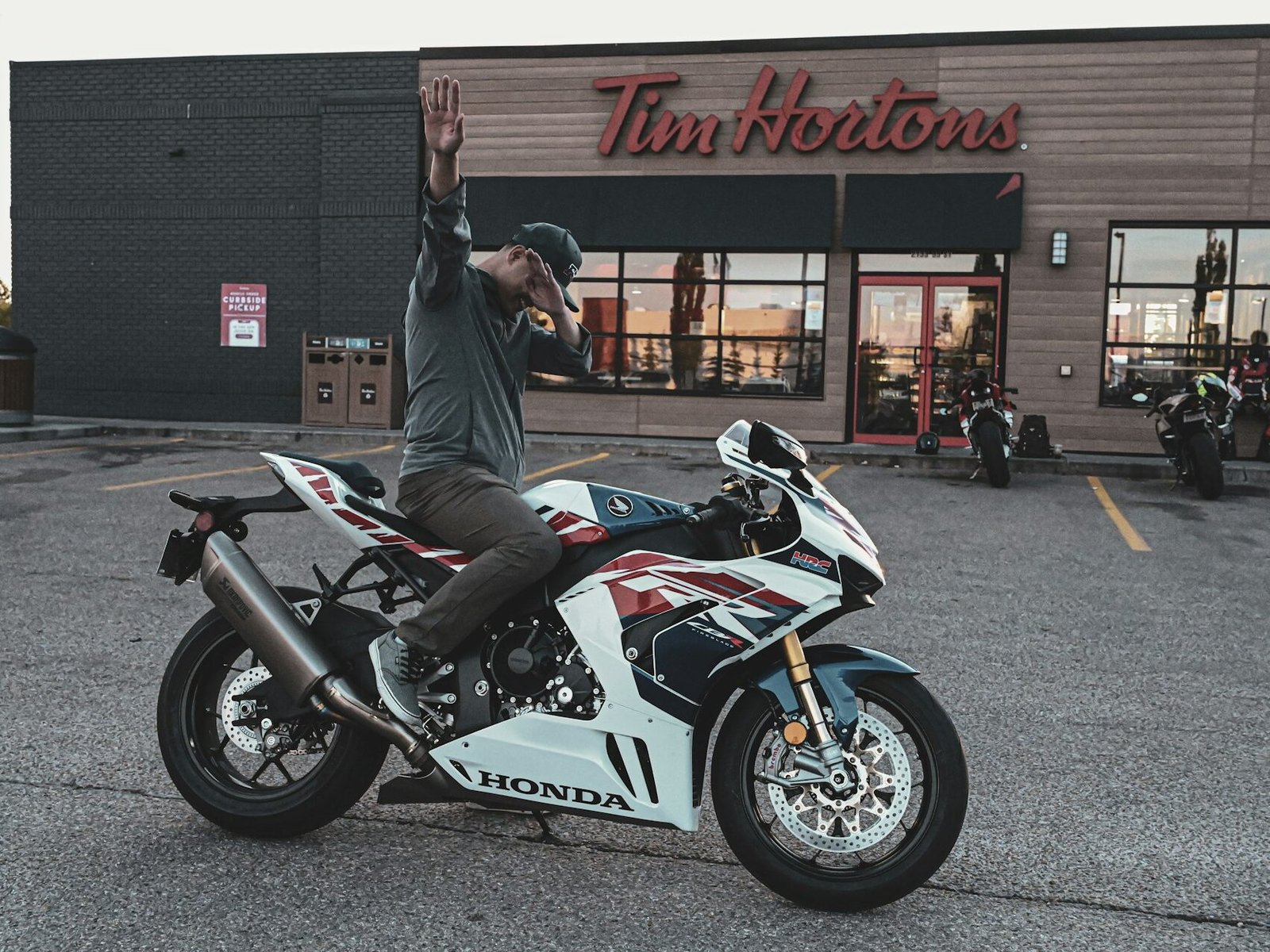
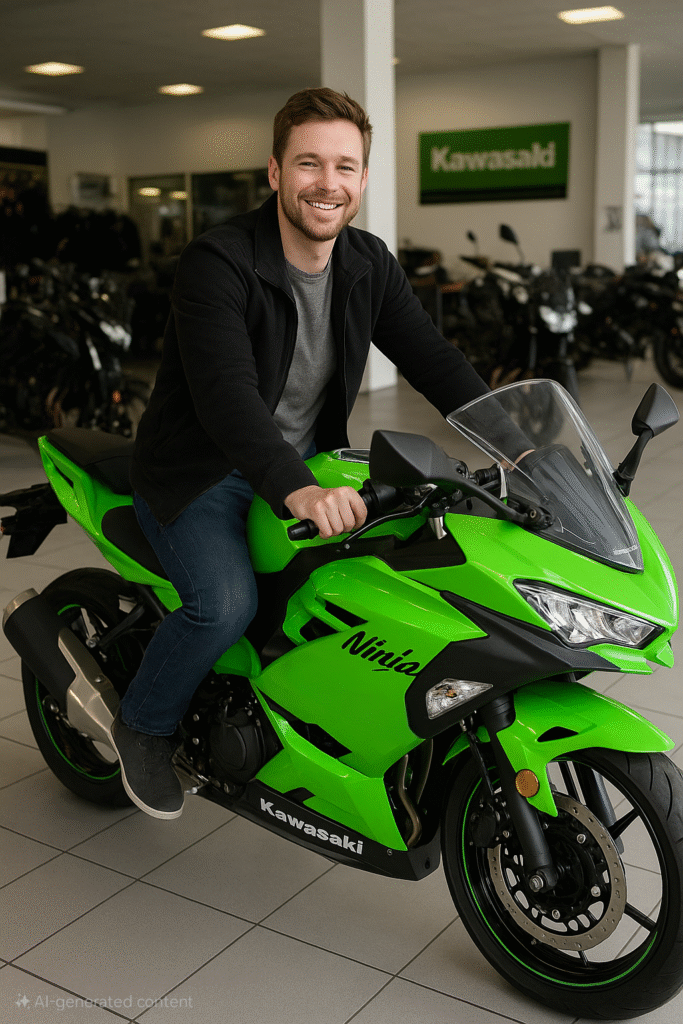
Sport-light bikes borrow styling from full sports machines but with more forgiving power and comfort. They are esentially the diet version of full-blown supersports. They look aggressive, with sharp fairings, low-ish clip-on handlebars, and a riding stance that hints at racetrack DNA, but without the wrist-snapping power or punishing ergonomics. They’re lighter, more forgiving, and built with new riders in mind, while still letting you feel like you’ve stepped into the MotoGP every time you hit the throttle. Expect engines that are rev-happy but manageable, usually in the 300–500cc range, with enough punch for highways but not so much that you’ll be terrified to downshift. They handle corners beautifully, with sporty suspension setups and decent brakes, but they’re not as comfy on long hauls, your wrists and back will remind you of that after a while. Road noise is minimal thanks to the fairings, and the sleek design is all about speed, not luggage racks. For many beginners, a sports-light bike like the Yamaha R3 or Kawasaki Ninja 400 are the perfect way to get the thrills without ending up in the hedge.
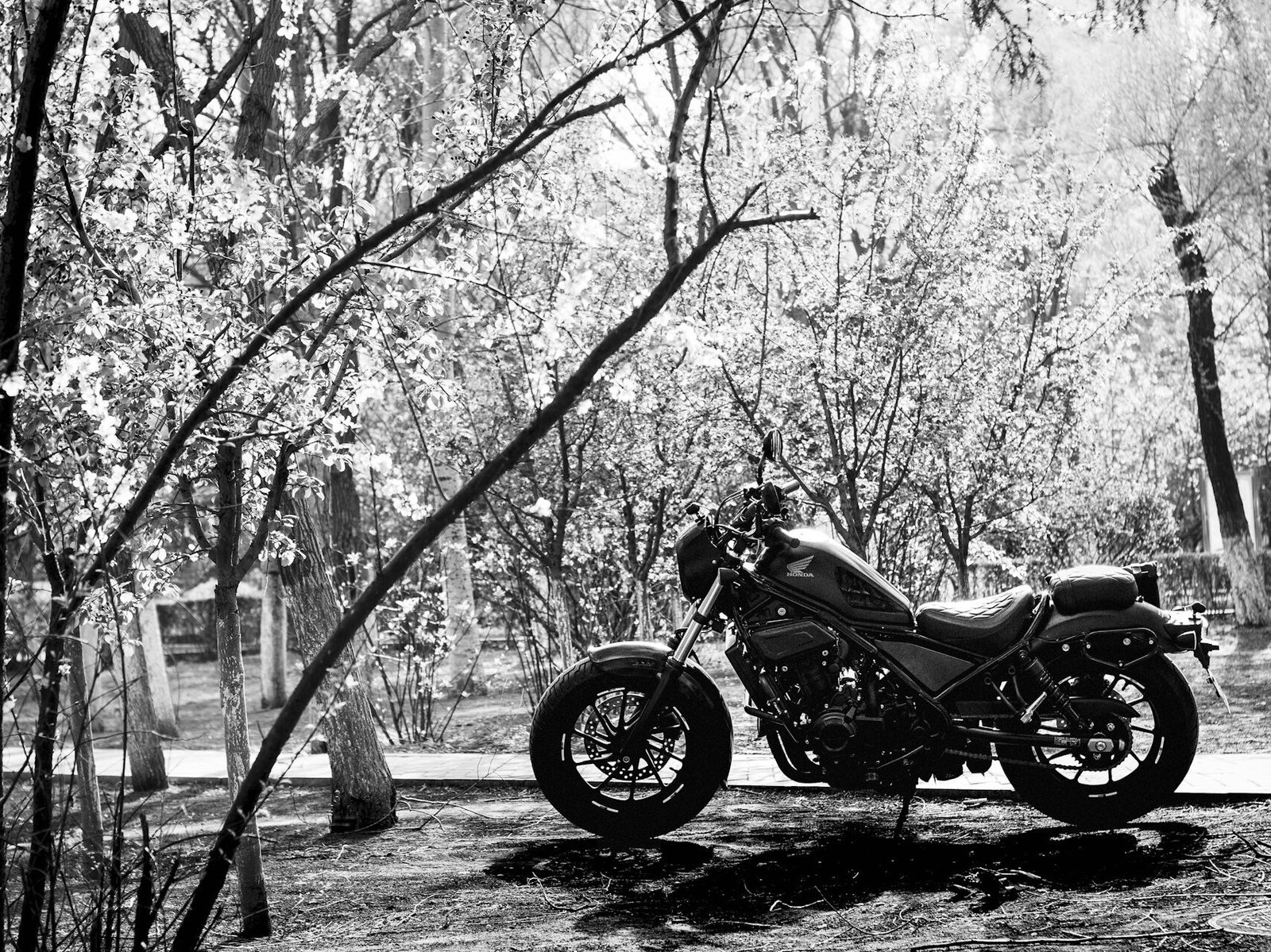
Cruisers and Retro bikes are low, comfortable (depending on style), stylish and a lot less about hitting apex’s. Think wide handlebars, lots of torque, and that unmistakable rumble. These bikes are at home cruising highways and rolling through town with presence which can’t be denied. They tend to be heavy, which means they can be harder to wrangle at slow speeds and will never be the best at tilting through corners. They do however, have a low center of gravity by allowing you to sit closer to the road, which helps a lot with confidence and control. For new riders, the weight can be intimidating, but entry-level Cruisers like the Honda Rebel 500 or Kawasaki Vulcan S and Retro’s like the Triumph Scrambler 400 X or Royal Enfield Meteor 350, keep things approachable without losing the laid-back vibe or being a handful to control.
Scooters are the smallest, lightest, cheapest, most approachable and most efficient city-riding transport you can get. Scooters are the underdog heroes of two wheels (in my teens and early 20’s I thought they were super lame, so if anyone else is thinking “thats not a motorcycle!’, you’re 100% right, but hear me out).
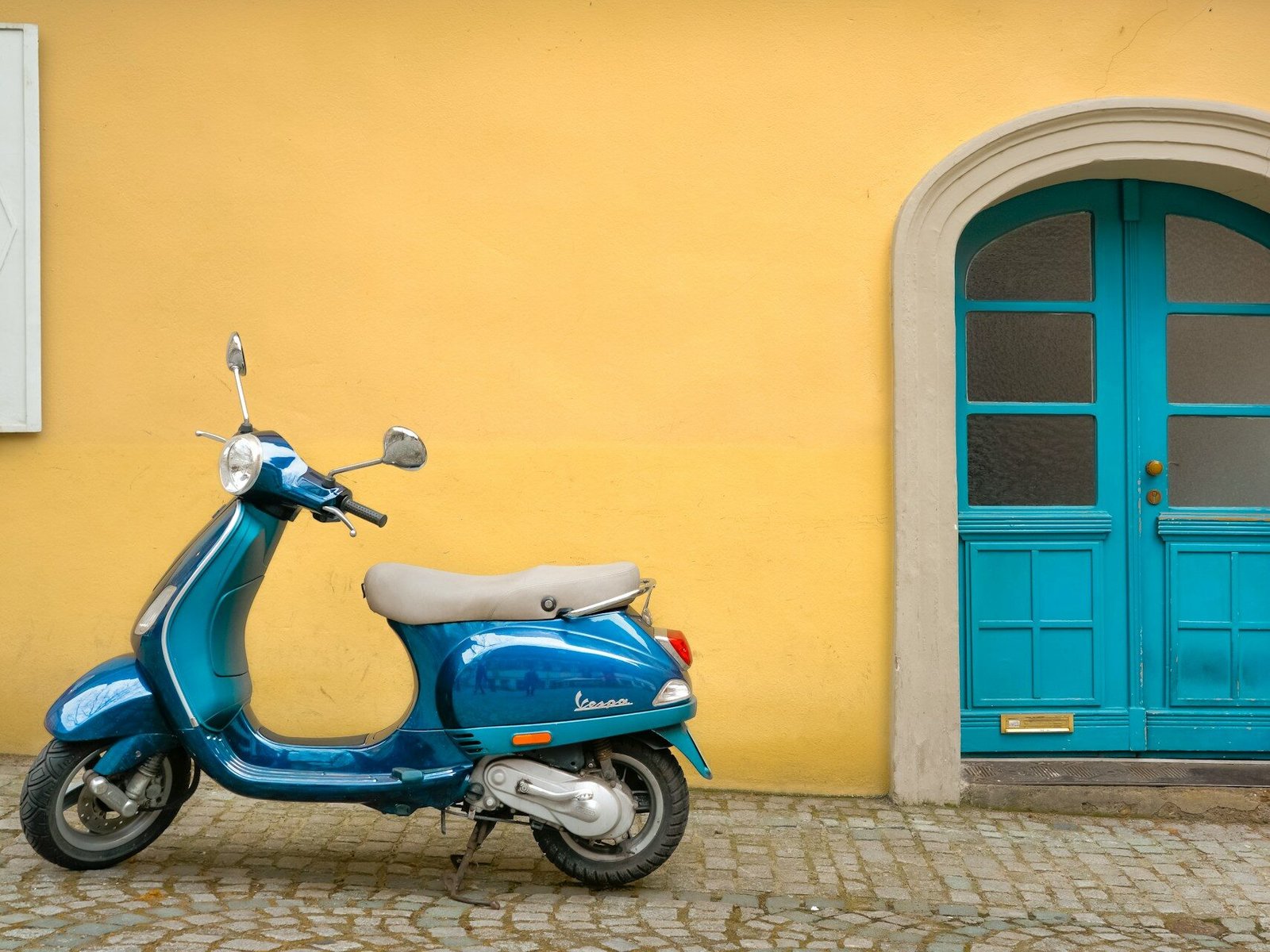
Twist-and-go simplicity, great fuel economy, and loads of under-seat storage make them insanely practical. They’re usually smaller in engine size (50–300cc being common), which means they’re city-friendly and forgiving to ride. That can also mean cheaper insurance, maintenance and licencing fees/requirements. Don’t expect massive speed or long-distance touring comfort, infact most can’t get up to highway speeds, but for commuting, café hopping, or just avoiding the pain of parking in the city, scooters shine. Their step-through frames and automatic transmissions make them especially beginner-friendly. Something like a Vespa Primavera 150 or Honda PCX are stylish, functional, and a great entry point into riding without the intimidation factor of gears and clutches. If you have a small budget, start with a scooter. They hold their value and allow you to focus your money on getting good riding gear and understanding the brakes, indicators and positioning on the road.
So, lots of bikes stand out as excellent first-bike picks, but her are our Motourista top picks of 2025;
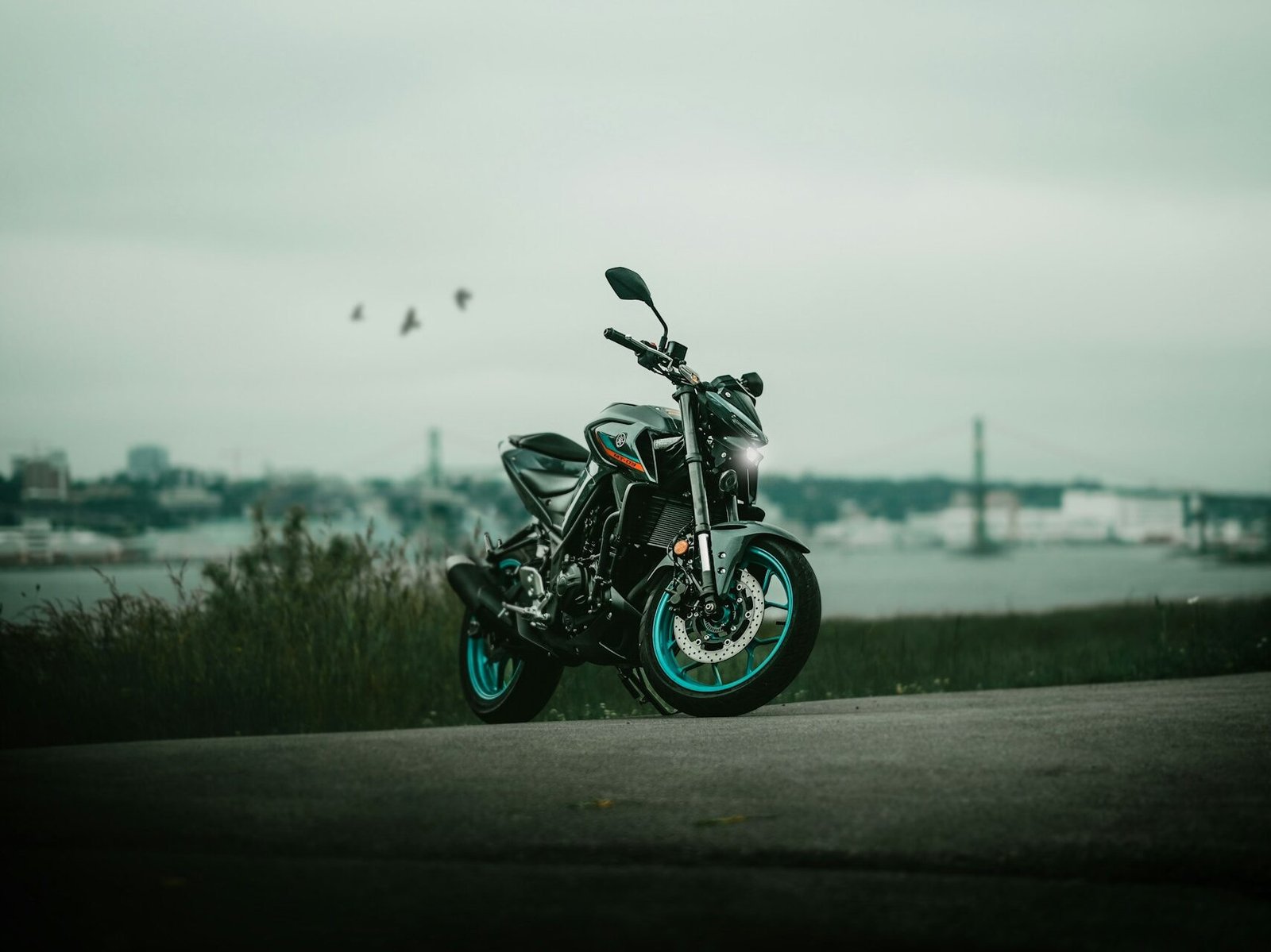
If you want a Naked, the Yamaha MT-03 remains a solid champion; light, fun, reliable and cheap.
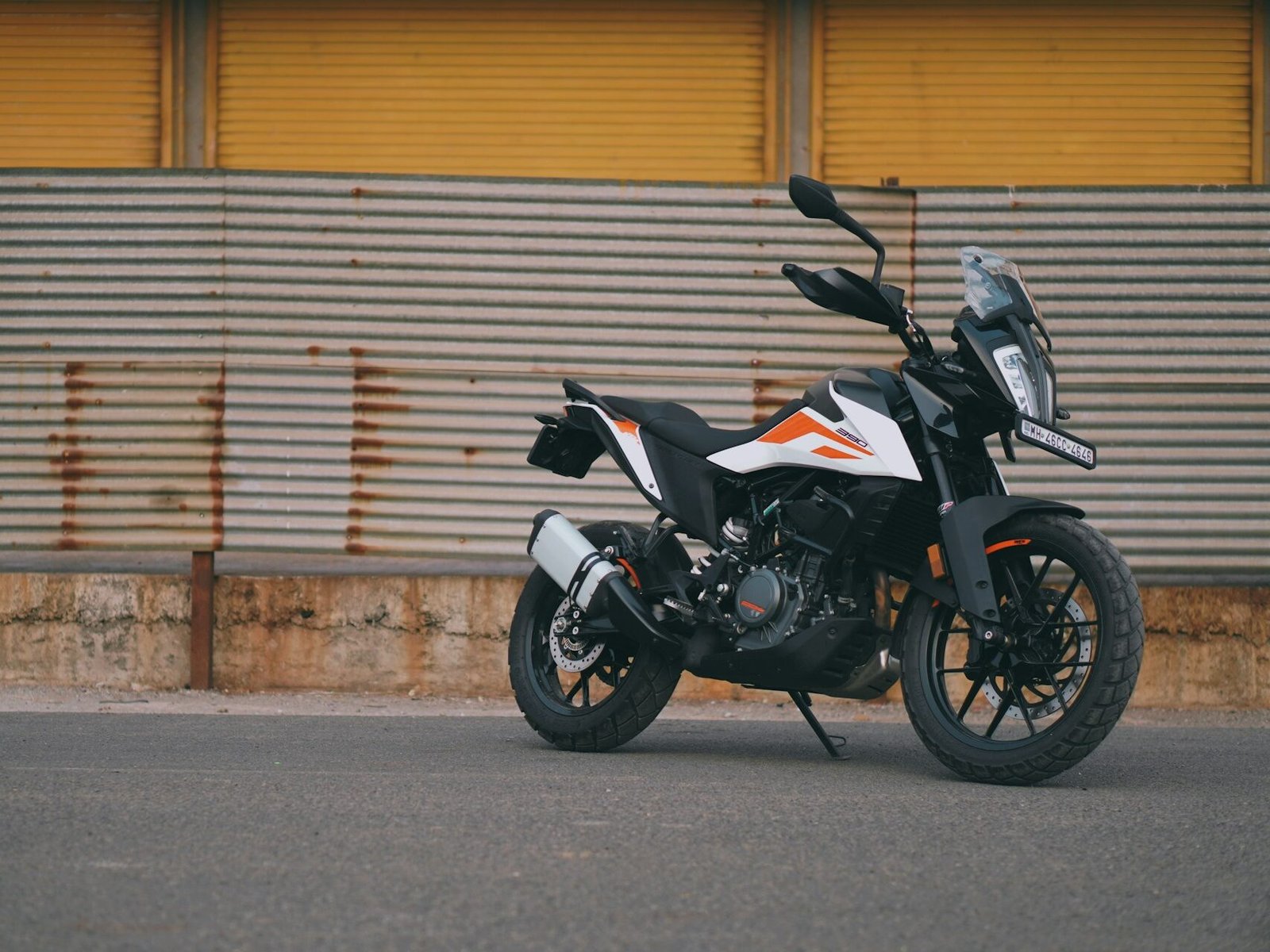
If Adventure calls, the entry level KTM 390 Adventure is a great way to taste the on and offroad life, and if you have more money or don’t plan on as much time on the tarmac, the Adventure X and Adventure R are ready from the factory (don’t forget you can always upgrade later). Value for money, the standard model is our winner.
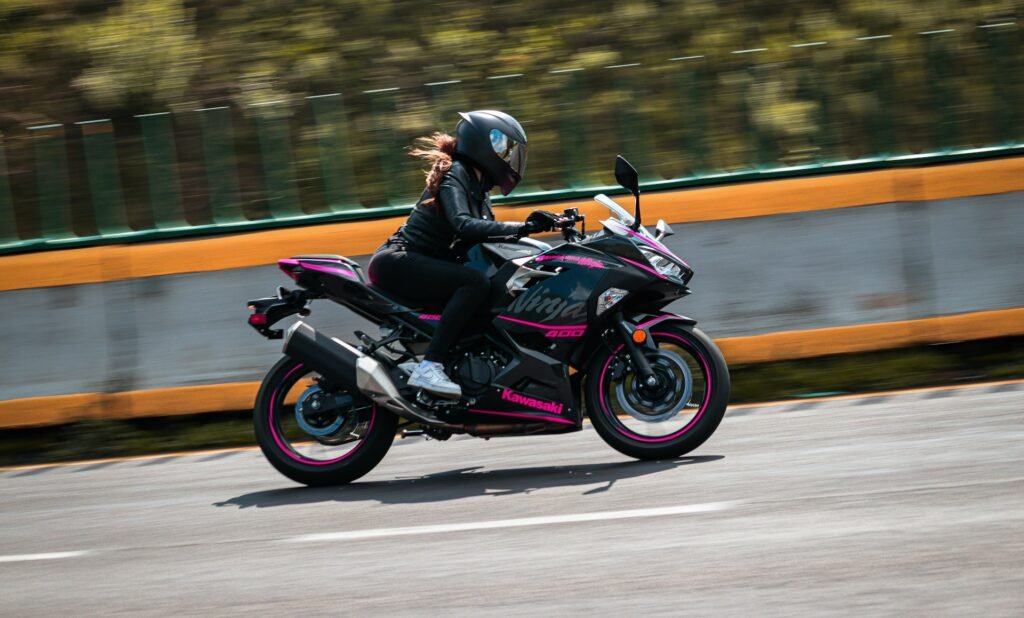
For Sport-light, the Kawasaki Ninja 400 is always a good start. It packs the thrill and name-brand support in a reliable model that has been fine tuned over the years just for beginners.
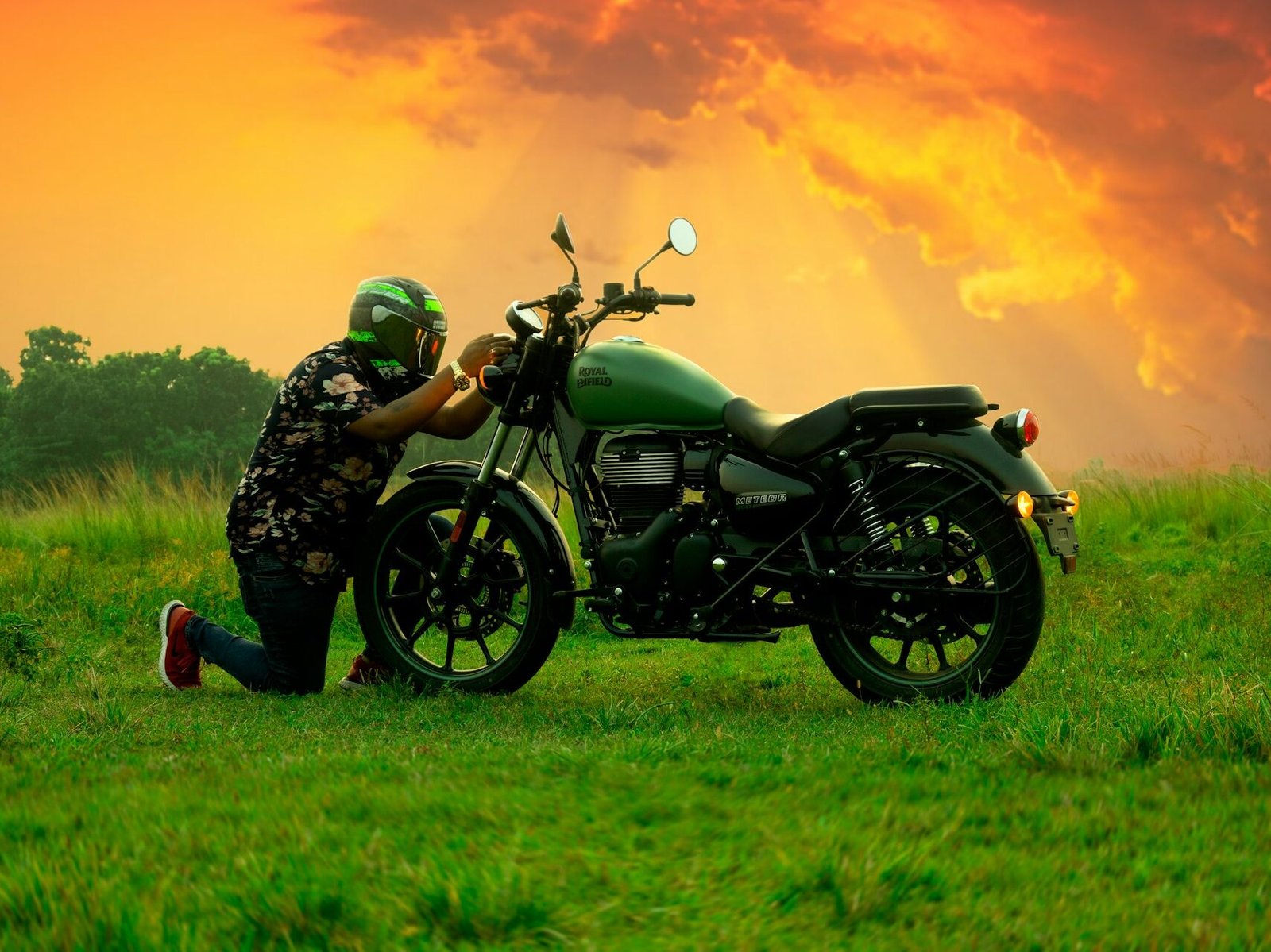
Leaning towards a Cruiser? The Royal Enfield Meteor-350 offers plenty of character, great comfort and lots of value for the price. If you have have a bigger budget and are after more power, more sportiness and modern features then the Honda Rebel CMX500 is another great choice.
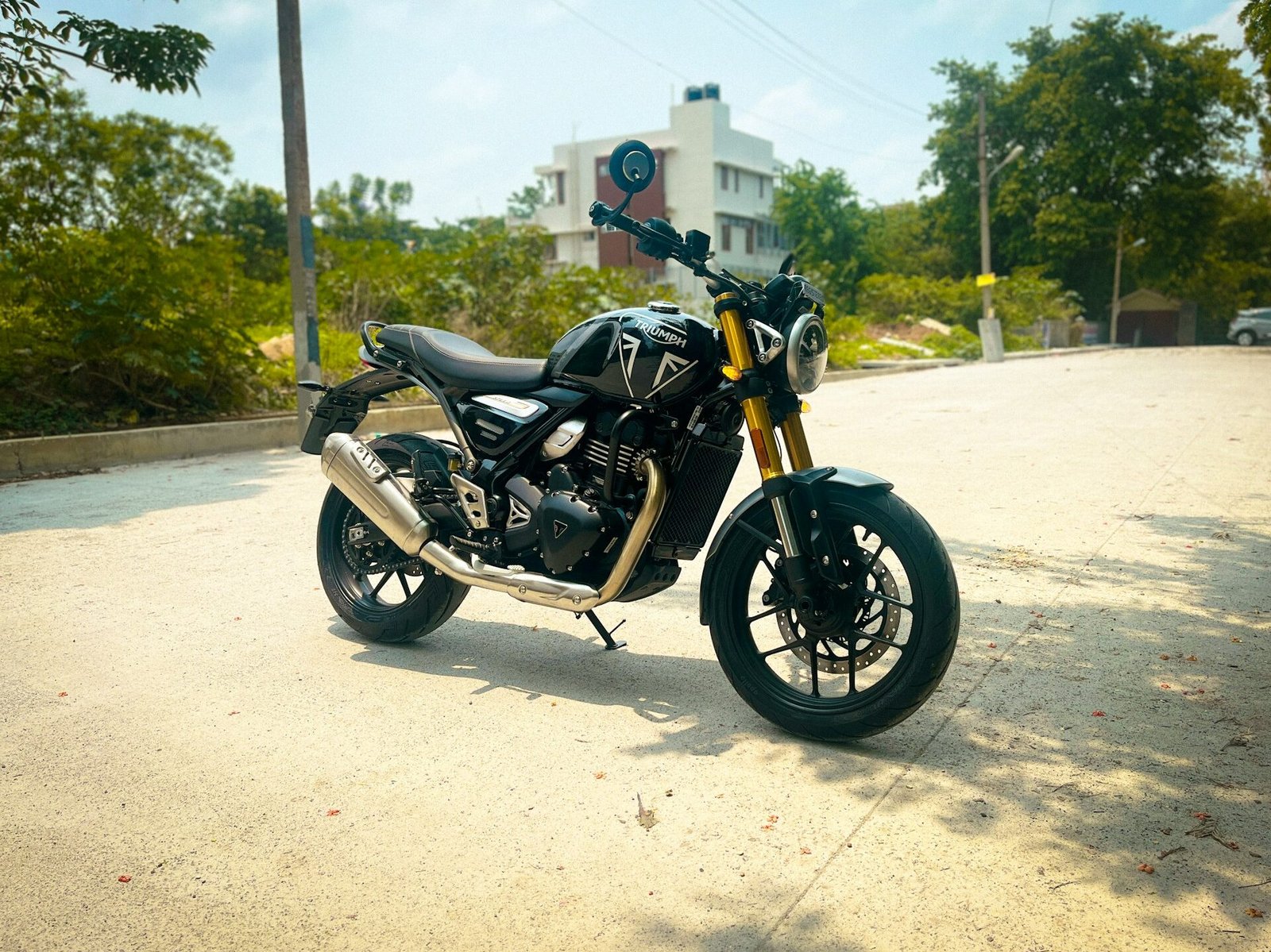
Or what about a bit more Retro and stylish? The Triumph Scrambler 400 X ticks all those boxes and some at a super fair price. But what if you want a more road orientated version? The boffins down at Triumph thought of that too, the Triumph Speed 400.
If budget & simplicity matter, grab a Scooter. The Honda PCX 125 or Yamaha’s equivalents give you enough for city life, great ergonomics and minimal maintenance. Of course, if you want a bit more style and character, a Vespa, or anything Italian, is where you should look.
So what does “best beginner” mean in practice? We think getting carried away with cost is the only way you can really mess up. Look for bikes under EUR€7,000, AUD$12,500, USD$8,250, GBP£6000 because they offer good value, parts availability, and moderate performance, but not so wild that you end up in hospital or endlessly stressing about maintenance.
Its your first bike, it wont be your last and you are much better to learn with something more forgiving that you can progress on and learn to control. Don’t assume more power = better. A 400-500 cc bike with good torque and modern safety tech will teach you loads more (and still heaps of fun!) than pushing big horsepower too soon. Or worse, dropping an expensive toy and losing all that resale value that could have gone towards your next bike.
In 2025, thanks to improved engineering, even lower-powered bikes often come with goodies: decent ABS, good brake components, digital displays, more comfortable seating, sometimes even built-in connectivity. Electric and hybrid options are still niche for beginners, but keep an eye on them. Models with lighter weight and smoother electronics may soon shift what “beginner friendly” means.
So if we were giving advice to you, we’d say: try to pick a style you love (style matters! When you love your bike you will ride more), aim for something comfortable in your height and strength, allow for maintenance & insurance in your budget, and buy something with ABS for your first bike (massive help with braking, especially in the rain or in an emergency). Then enjoy every ride: the first one, the shaky corners, the early morning realisations that riding changes the way you see the world.
In the end, your first bike is more than a tool, it’s a pathway into a whole new experience in life. It’s the fire starter, the spark that leads you to explore new places, meet friends, and create stories.
Ride often, treat yourself to some good quality gear that you’re proud to wear and will put on no matter how far you are travelling. By 2026 you’ll be looking back amazed at how far you’ve come and how much better you’ve gotten. So use both your head and your heart to pick that first bike that YOU have feelings for. Go and test a few, you’ll know when you’ve found the one!